Sleep Apnea
People with obstructive sleep apnea (OSA) have disrupted sleep and low blood oxygen levels. When obstructive sleep apnea occurs, the tongue is sucked against the back of the throat. This blocks the upper airway and airflow stops. When the oxygen level in the brain becomes low enough, the sleeper partially awakens, the obstruction in the throat clears, and the flow of air starts again, usually with a loud gasp.
Repeated cycles of decreased oxygenation can lead to very serious cardiovascular problems. Individuals with obstructive sleep apnea also suffer from excessive daytime sleepiness, depression, and loss of concentration.
Some patients have obstructions that are less severe. This condition is called Upper Airway Resistance Syndrome (UARS). In either case, the individuals suffer many of the same symptoms.
Sleep Apnea Treatment
The first step in treatment for sleep apnea is recognizing the symptoms and seeking an appropriate consultation. Oral and maxillofacial surgeons can provide an evaluation and treatment options.
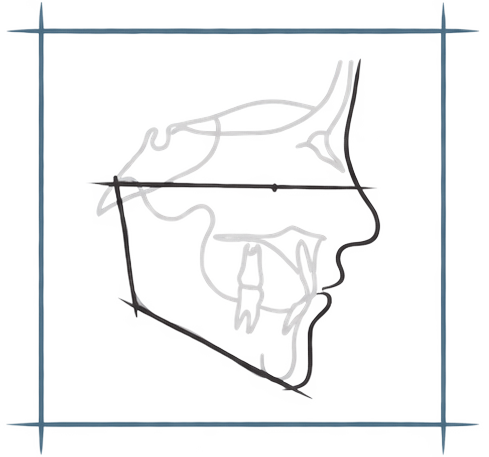
During a consultation, a doctor will assess the patient’s health history and the anatomic relationships in the maxillofacial region. The doctor can ascertain the level of obstruction using cephalometic (skull x-ray) analysis. Sometimes a naso-pharyngeal exam is performed with a flexible fiber-optic camera. A sleep study may be recommended to monitor the patient’s cardiovascular compromise and decreased oxygen levels overnight.
Treatment Options for Sleep Apnea
There are several treatment options available for sleep apnea. Initial treatment may consist of using a nasal CPAP machine that delivers pressurized oxygen through a nasal mask to limit obstruction at night. If surgery is recommended, patients can undergo several different types of procedures. One surgical option is an uvulo-palato-pharyngo-plasty (UPPP), which is performed in the back of the soft palate and throat. A similar procedure is sometimes done with the assistance of a laser and is called a laser assisted uvulo-palato-plasty (LAUPP). In other cases, a radio-frequency probe is used to tighten the soft palate. These procedures are usually performed under IV sedation in a doctor’s office.
In more complex cases, the bones of the upper and lower jaw may be repositioned to increase the size of the airway (orthognathic surgery). This procedure is done in the hospital under general anesthesia and requires a one to two day overnight stay in the hospital.
Sleep apnea is a very serious condition that needs careful attention and treatment. Most major medical plans offer coverage for diagnosis and treatment.